

We run Moher Cottage right beside the Cliffs of Moher, and over the years we've had thousands of conversations with visitors about their experience. Some arrive perfectly prepared. Others miss out on the best parts because they didn't know. Here's what we wish everyone knew before they visited.
When to Visit
The Cliffs are stunning in any weather, but timing matters.
Best times for a better experience:
- Weekdays tend to be quieter than weekends
- Off-season months like March, April, and October often mean fewer crowds and you'll have sections to yourself
Weather reality: This is the Atlantic coast of Ireland. It can be glorious sunshine one moment and horizontal rain the next. We've seen visitors in flip-flops shivering in the wind and slipping in the rain, and others sweating in winter coats on an unexpectedly warm October day. Aprropriate shoes and layers are your friend. Always.
The wind can be fierce—strong enough to blow hats away and make it genuinely difficult to walk at times. Leave your umbrella at home, the wind will be the death of it. If you're bringing children on a very windy day, keep a close eye on them. The cliffs are spectacular but they command respect.
The Visitor Centre
The Cliffs of Moher Visitor Centre is well worth exploring. The exhibition inside tells the story of the cliffs—their geology, wildlife, and cultural significance. It's beautifully done and gives context that makes your visit richer. The whole centre was designed to blend into the landscape, built into the hillside so it doesn't dominate the view.
The Most Important Thing: Walk Both Ways
Here's what many visitors miss: you need to walk the cliff paths in both directions from the visitor centre.
There's a 1km path heading north and another 1km path heading south. Do both. This is not optional if you want the full experience.
Why this matters: The perspective changes dramatically as you walk. What looks one way from the viewing platform near the visitor centre transforms as you move along the cliffs. The scale reveals itself differently. The light hits the rock faces from new angles. You see details you couldn't see before.
Most importantly, as you walk away from the main viewing area, the crowds thin out. By the time you're 500 meters along either path, you'll often have stretches to yourself, even in peak season.
The North Path: Takes you toward O'Brien's Tower and beyond. The views back toward the main cliffs are spectacular from this direction.
The South Path: Heads toward Hag's Head. This side often has fewer people, and the sense of wildness increases.
Both walks are on good paths, though they can still be uneven in places. Take your time. Stop frequently. This is where the real experience of the cliffs happens.
O'Brien's Tower
There's a small fee to climb O'Brien's Tower, and whether it's worth it depends on what you're after. The view from the top isn't dramatically different from the views you get for free along the cliff path—you're already at a spectacular vantage point.
But if you're interested in the history, it's worth knowing about. The tower was built in 1835 by Cornelius O'Brien, a local landowner who was largely responsible for developing tourism in this area. He built the tower as a tea room and stables with a viewing point for visitors back them, and we have his monument right here on our farm at Moher Cottage, actually. Known as the father of Irish tourism we love that we are connected to him.
Wildlife
If you're interested in birds, the cliffs are extraordinary. This is a Special Protected Area, home to thousands of seabirds.
What you might see:
- Puffins (April to July—they're at sea the rest of the year)
- Razorbills and guillemots (year-round)
- Kittiwakes
- Fulmars
- Various gulls
- Ravens and choughs
Bring binoculars if you have them. The birds nest on the cliff faces, and watching them is mesmerising.
What Not to Miss
The changing light: If you can, visit at different times of day. Morning light and evening light transform the cliffs. The colours in the rock shift. The Atlantic takes on different moods. This isn't a quick tick-box visit—it rewards time and attention.
The sense of scale: Stand still for a moment and just look. These cliffs rise over 200 meters at their highest point. They stretch for 8 kilometers. The Atlantic has been battering them for millions of years. Let that sink in.
The sound: Close your eyes and listen. The wind, the waves crashing far below, the seabirds. This is the soundtrack of the Wild Atlantic Way.
Safety (Please Take This Seriously)
The cliff edges at the visitor centre are fenced in. Stay on the paths. Don't climb over barriers or walls. Don't go right to the edge for a photo. It's genuinely not worth it, and we don't want to see anyone hurt. The grass can be slippery when wet. People have died here being careless or trying to get a dramatic photo.
If you're here with children, keep them close and explain the dangers clearly. The cliffs are beautiful but they're also serious.
Before or After: Stop By Moher Cottage
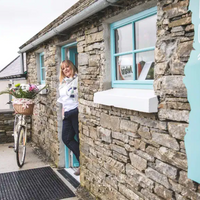
We're just a few minutes from the Cliffs, and we'd love to welcome you before or after your visit.
Why stop here:
- Our coffee has been voted Best in Ireland, and our terrace has views across Liscannor Bay that rival the cliffs themselves
- We make our own fudge here on the premises—it's become something of a tradition for visitors to try a piece with their coffee
- We stock carefully chosen Irish gifts from local makers, not mass-produced souvenirs
- We're locals who genuinely love this area, and we're happy to share tips and recommendations
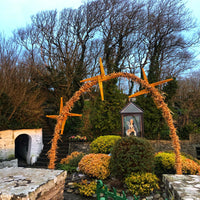
- St. Brigid's Well, a sacred site that's been a place of pilgrimage for over 1,500 years, is right across the road from us
- We offer tours with us locals where you can hear what its like to live and work at the Cliffs of Moher and explore the heritage of this area, including the Cornelius O'Brien monument right here on our land
Think of us as a quieter complement to the dramatic cliffs. Somewhere to pause, to process what you've just seen, to have a real conversation rather than queuing in a crowd.
Beyond the Cliffs
If you have time in the area, don't miss:
St. Brigid's Well - Right across from our cottage. A place of pilgrimage for over 1,500 years, peaceful and steeped in history. Takes 20 minutes to visit properly.
Liscannor Village - Our local village, just down the road. Liscannor has developed a reputation for excellent food and a bustling food and pub scene. Well worth exploring if you're looking for a meal or want to experience a genuine Irish village in the evening.
The Burren - The unique limestone landscape just north of here. Otherworldly and beautiful, especially in spring when the wildflowers bloom in the cracks between the rocks.
Lahinch - A lovely seaside town just 10 minutes away, known for surfing and its beautiful beach.
Doolin - The nearby village known for traditional Irish music. If you're here in the evening, the pubs come alive with music sessions.
Final Thoughts
The Cliffs of Moher deserve their reputation. But like any famous place, the real experience comes from knowing how to approach them.
Come prepared for weather. Walk both the north and south paths from the visitor centre—don't just take photos and leave. Take your time. Feel the scale of the place. And when you're ready for something quieter, come see us at Moher Cottage.
We're right here, and we'd love to welcome you.
Caitriona & Kevin Moher Cottage




0 comment